
gray tinted glass
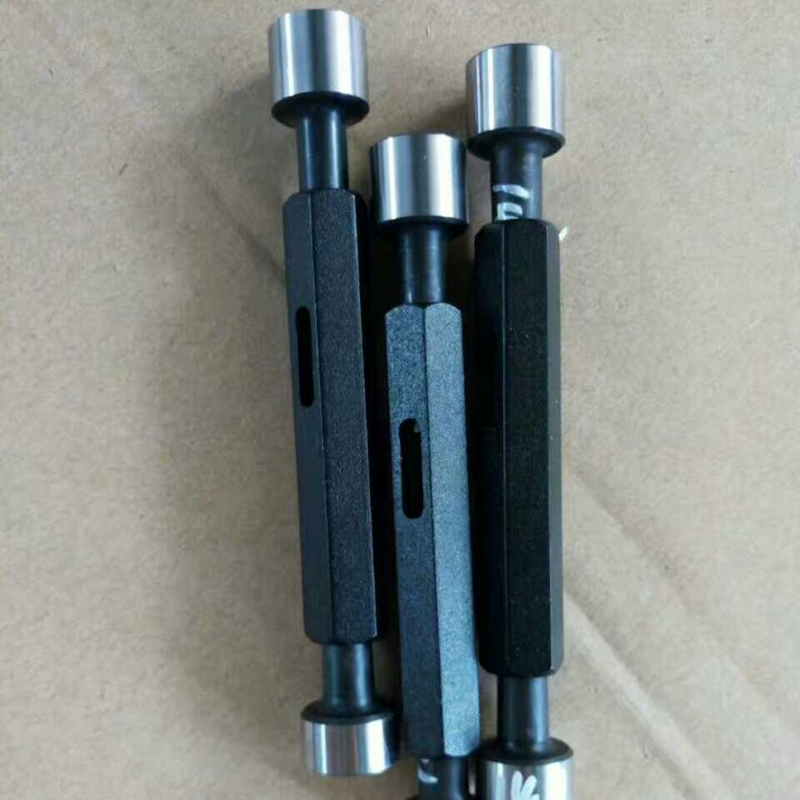
Understanding the Pin Gauge Measurement Method The Pin Gauge Measurement Method is a widely recognized technique used in manufacturing and engineering to ensure precise measurements of hole sizes and diameters. This method is essential in various industries including automotive, aerospace, and electronics, where precision and accuracy are paramount. What is a Pin Gauge? A pin gauge is a tool used to check the diameter of holes and the size of specific components. It consists of a series of pins, each with a specific diameter, allowing for an easy comparison against the hole being measured. Typically made of high-quality steel, pin gauges are designed to be highly accurate and durable. They are classified into two categories plug gauges and ring gauges. Plug gauges are used to measure the inside diameter of holes, while ring gauges are used for external diameters. How Does the Measurement Work? The pin gauge measurement method involves the following steps 1. Selection of Appropriate Pin Gauge The selection begins by determining the nominal size of the hole or component to be measured. Manufacturers often use a set of pin gauges that cover a range of sizes, providing multiple options for measurement. 2. Insertion into the Hole The gauge that closely matches the required diameter is chosen and carefully inserted into the hole. The fit of the gauge will indicate whether the hole is within the specified tolerance. 3. Assessment of Fit There are three possible outcomes when using a pin gauge - If the gauge fits snugly, it confirms that the hole is the correct size. - If the gauge does not fit at all, it indicates the hole is smaller than the gauge size. - If the gauge can be inserted but is loose, it suggests the hole is larger than desired. The tactile feedback provided by these simple checks allows engineers to quickly ascertain whether a part meets its dimensional specifications. Advantages of the Pin Gauge Measurement Method pin gauge measurement method 1. Simplicity and Ease of Use Pin gauges are straightforward tools that require minimal training . This ease of use allows operators at various skill levels to perform measurements effectively. 2. Cost-Effectiveness Unlike more advanced measuring instruments, pin gauges are relatively inexpensive. Their simple design makes them accessible to businesses of all sizes, helping to maintain quality assurance without excessive costs. 3. High Accuracy When manufactured correctly, pin gauges provide high levels of accuracy. They are often calibrated to international standards, ensuring reliable measurements. 4. Versatility Pin gauges can be used in various applications, from simple hole checks to complex assembly lines. Their ability to measure internal and external diameters makes them versatile tools in the engineering toolkit. Best Practices for Using Pin Gauges To ensure the effectiveness of pin gauges, several best practices should be followed - Calibration Regular calibration of the pin gauges is vital to maintain their accuracy over time. A schedule should be implemented to check the gauges against standard measurements. - Proper Handling Care should be taken when handling pin gauges. They should be stored in protective cases to prevent damage and deformation. - Environmental Considerations It is important to measure in a controlled environment, as temperature and humidity can affect the material properties of both the gauge and the component being measured. Conclusion The Pin Gauge Measurement Method is a fundamental tool in the quality assurance processes of manufacturing. With its simplicity, accuracy, and cost-effectiveness, it remains an essential technique for engineers and manufacturers seeking to ensure their products meet rigorous standards. Understanding how to effectively use this method can significantly enhance precision in production processes, ultimately contributing to improved product quality and customer satisfaction.
about
gray tinted glass
Understanding Pin Gauge Classes A Comprehensive Overview Pin gauges, also known as pin gauge sets, are precision measuring tools that play a vital role in quality control and inspection processes across various industries, particularly in manufacturing and engineering. These gauges are used to measure the diameter of holes and provide a means of evaluating the tolerance of a finished product. Understanding pin gauge classes is crucial for professionals in these fields, as it helps them select the appropriate gauge for their specific needs and ensures accuracy in measurements. What Are Pin Gauges? Pin gauges are essentially cylindrical rods made to specific diameters. They are categorized into sets, each set containing pins of varying diameters, which can range from a fraction of a millimeter to several inches. The primary function of these gauges is to check whether a hole's diameter meets prescribed tolerances, making them indispensable tools for quality control inspectors and machinists. Classification of Pin Gauges Pin gauges can be classified in several ways, but one of the most common is by their manufacturing tolerance. There are generally three classes of pin gauges Class A, Class B, and Class C. 1. Class A Pin Gauges This class is designed for high-precision applications and typically offers the tightest tolerances. These gauges are ideal for applications where accuracy is paramount, such as in the aerospace or automotive industries. Class A pin gauges are made with superior materials and undergo rigorous quality control processes to ensure that they meet strict standards. 2. Class B Pin Gauges Class B pin gauges are suitable for a range of general-purpose applications. While they do not provide the same level of precision as Class A gauges, they still maintain acceptable tolerances for most manufacturing measurements. These gauges are often used in machine shops where a balance between cost and accuracy is required. pin gauge classes 3. Class C Pin Gauges This class is meant for applications where high tolerance is not critical. Class C pin gauges can be utilized for basic measurements and checks. They are often employed in less demanding environments where precision can be sacrificed for cost efficiency, making them a popular choice for educational institutions and small workshops. Materials and Manufacturing Processes The material used to manufacture pin gauges plays a significant role in their performance. High-carbon steel is a common choice due to its durability and resistance to wear. Some pin gauges are also coated with hard chrome to enhance their lifespan and reduce friction. The manufacturing process often involves precision machining and grinding to achieve the desired dimensions and tolerances. Practical Applications of Pin Gauges Pin gauges find a variety of applications in different sectors. In manufacturing, they are used to ensure that holes created in materials meet specified tolerances before parts are assembled. In quality control, inspectors utilize pin gauges to verify the accuracy of machined components. Moreover, engineers designing parts can use pin gauges during prototyping to assess how well their designs translate into physical products. Conclusion In conclusion, understanding pin gauge classes serves as a fundamental aspect for anyone involved in production and quality control activities. By recognizing the differences between Class A, B, and C pin gauges, professionals can make informed decisions that align with their precision requirements. As industries continue to evolve and the demand for accuracy escalates, pin gauges will remain essential tools for maintaining quality standards in manufacturing and engineering processes. Whether one is ensuring that parts fit together correctly or assessing the tolerance of a critical component, pin gauges provide the reliability and precision needed to succeed.
-

High quality industrial productsagement

High quality industrial products
View Details -

Meet the diverse needs of customers

Meet the diverse needs of customers
View Details -

Strict quality control

Strict quality control
View Details -

Top raw materials

Top raw materials
View Details -

Trusted supplier

Trusted supplier
View Details
Our application


news and information
water pressure control valve
Understanding Water Pressure Control Valves Water pressure control valves are essential components i
Valvola di ritegno di mezzo pollice
Valvole di controllo da mezzo pollice Funzioni e applicazioni Le valvole di controllo da mezzo polli

y strainer flange type
Understanding Y Strainer Flange Type An Essential Component in Fluid Systems In the realm of fluid m
 English